ក្នុងពិធីបិទវគ្គបណ្ដុះបណ្ដាលសាមគ្គីអូឡាំពិក ស្ដីពីគ្រូបង្វឹកទ្រីយ៉ាត្លុងកម្រិត១ នៅរសៀលថ្ងៃអាទិត្យ ទី០៥ ខែតុលា ឆ្នាំ២០២៥នាស្នាក់ការគណៈកម្មាធិការជាតិអូឡាំពិកកម្ពុជា ឯកឧត្ដម ណយ ផាណា តំណាងគណៈកម្មការជាតិអូឡាំពិកកម្ពុជា បានវាយតម្លៃខ្ពស់ចំពោះវគ្គដ៏សំខាន់នេះដែលបានផ្ដល់ទាំងទ្រឹស្ដី និងអនុវត្តន៍យ៉ាងសំខាន់ដល់សិក្ខាកាម។
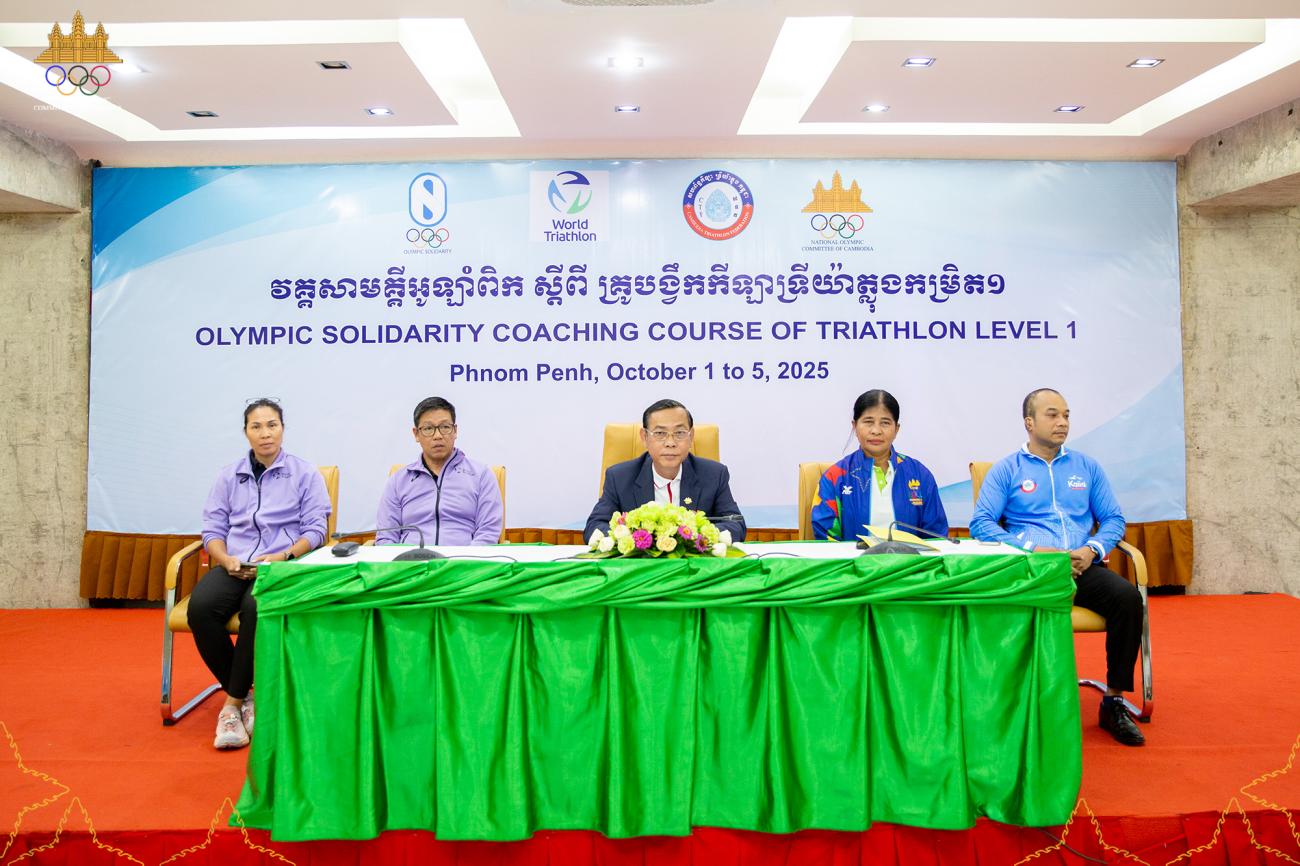
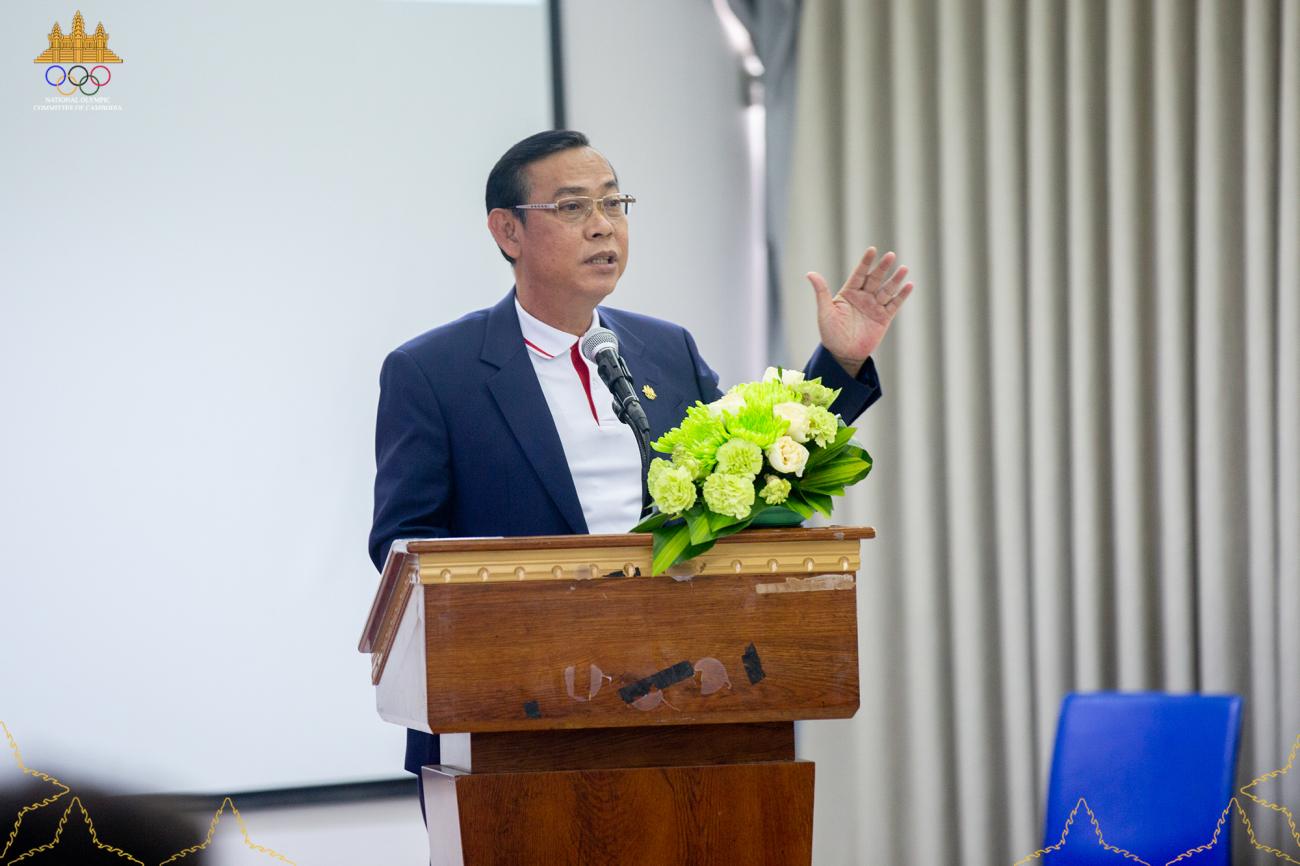
ឯកឧត្ដម ណយ ផាណា ក៏បានលើកឡើងពីគុណតម្លៃរបស់គ្រូបង្វឹកដែលជាបុគ្គលដ៏សំខាន់ដែលតម្រង់ផ្លូវដល់កីឡាករ កីឡាការិនី ព្រោះមិនត្រឹមត្រូវតែបង្ហាត់នូវជំនាញប៉ុណ្ណោះទេ តែក៏ផ្ដល់នូវចំណេះដឹងថែមទៀត។ ឯកឧត្ដមសង្ឃឹមថា សិក្ខាកាមទាំងអស់នឹងកាន់តែយល់ច្បាស់ពីតួនាទីជាគ្រូ។ ឯកឧត្ដម ណាយ ផាណា ក៏បានរំឭកដល់អត្តពលិកពីគុណវិបត្តិនៃការប្រើប្រាស់សារធាតុហាមឃាត់ដែលស្ថិតក្នុងការហាមឃាត់ ដែលធ្វើឱ្យប៉ះពាល់អាជីពកីឡាផងដែរ។
គួរបញ្ជាក់ថា សិក្ខាកាមជាគ្រូបង្វឹក២៥រូប ក្នុងនោះមានជនជាតិវៀតណាម៥រូបបានបញ្ចប់ការសិក្សាវគ្គបណ្ដុះបណ្ដាលសាមគ្គីអូឡាំពិក ស្ដីពីគ្រូបង្វឹកទ្រីយ៉ាត្លុងកម្រិត១ ដែលប្រព្រឹត្តទៅពីថ្ងៃទី១ដល់ថ្ងៃទី៥ ខែតុលា ឆ្នាំ២០២៥។
វគ្គបណ្ដុះបណ្ដាលដ៏សំខាន់នេះធ្វើឡើងតាមរយៈគម្រោង Olympic Solidarity និង World Triathlon ដោយមានការចូលរួមចែករំលែកពីគ្រូឧទ្ទេស២រូបមកពីសហព័ន្ធកីឡាទ្រីយ៉ាត្លុងពិភពលោក(World Triathlon) គឺលោក ANTHONY LOZADA និងអ្នកស្រី PHAM THUY VI។
លោក ងិន សុបញ្ញា អគ្គលេខាធិការសហព័ន្ធកីឡាទ្រីអាត្លុងកម្ពុជា ថ្លែងថា វគ្គបណ្ដុះបណ្ដាលនេះមានភាព ខុសប្លែកពីវគ្គមុនៗ ដោយសារតែមានគ្រូឧទ្ទេសកម្រិតអន្ដរជាតិមកបង្រៀនដោយផ្ទាល់ ដែលជាឱកាសសម្រាប់សិក្ខាកាមគ្រប់រូបសិក្សារៀនសូត្រនូវចំណេះដឹងថ្មីៗ អំពីក្បួនច្បាប់អន្ដរជាតិ ធ្វើជាទុនក្នុងការចំណែកបណ្ដុះបណ្ដាលធនធានមនុស្សឆ្ពោះទៅរកការអភិវឌ្ឍ និងពង្រីកសក្ដានុពលកីឡាទ្រីយ៉ាត្លុងក្នុងប្រទេសកម្ពុជា ពិសេសគឺការបណ្ដុះបណ្ដាលធនធានកីឡាករ-កីឡាការិនីវ័យក្មេង សម្រាប់ត្រៀមឆ្ពោះទៅធ្វើម្ចាស់ផ្ទះកីឡាយុវជនអាស៊ី ឆ្នាំ២០២៩ តែម្ដង។ លោកក៏បានថ្លែងអំណរគុណដល់សិក្ខាកាម និងលោកគ្រូអ្នកគ្រូឧទ្ទេសចំពោះការលះបង់ពេលវេលាចូលរួម។
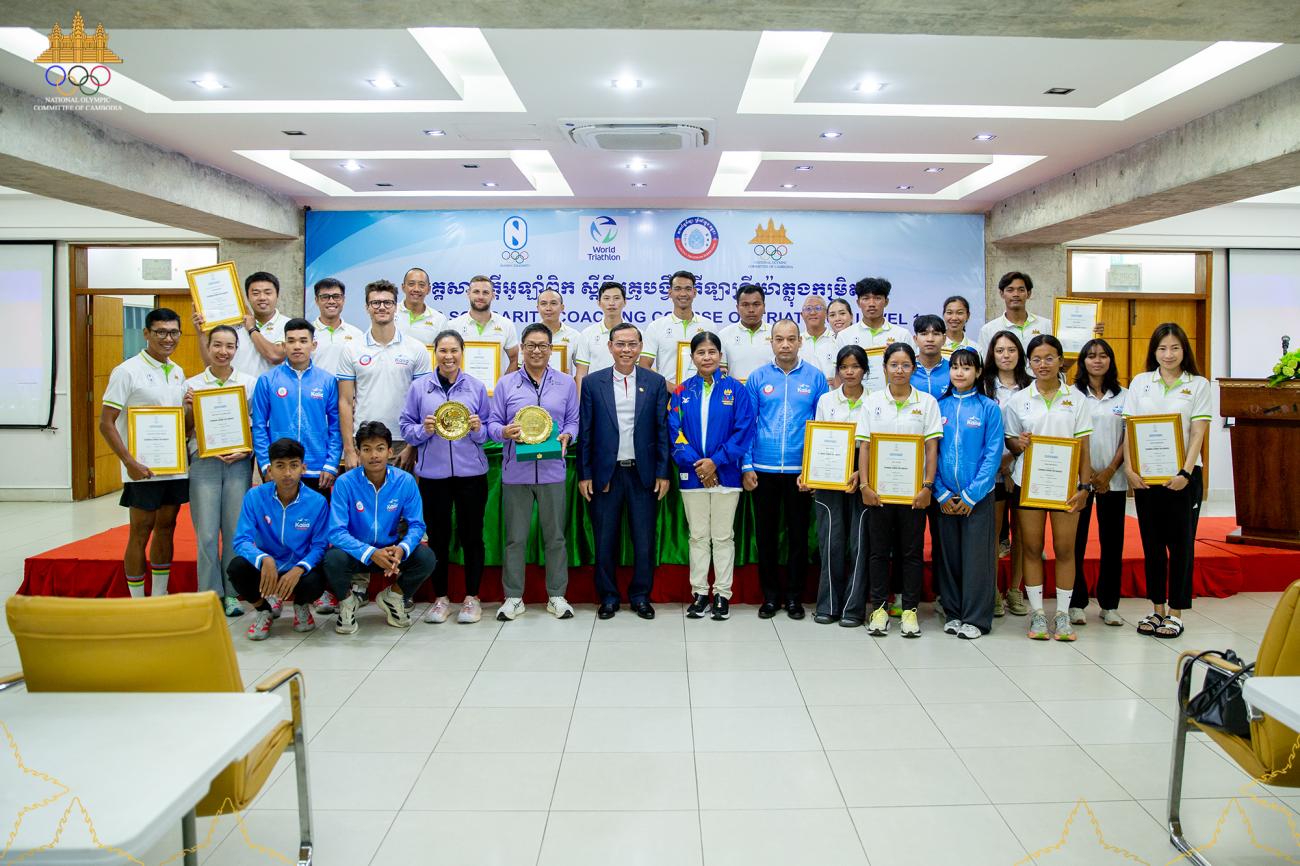
ជាមួយគ្នានេះ លោក Anthony Lozada និងអ្នកស្រី Pham Thuy Vi បានកោតសរសើរការខិតខំប្រឹងប្រែងរបស់គ្រូបង្វឹកដែលជាសិក្ខាកាមក្នុងការសិក្សា និងការបំពេញនូវមេរៀនផ្សេងៗយ៉ាងច្រើន។ មិនតែប៉ុណ្ណោះ សិក្ខាកាមទាំងអស់ក៏បានបង្ហាញនូវការសហការគ្នាយ៉ាងល្អនាពេលកន្លងមក។
ជាលទ្ធផលសិក្ខាកាមទទួលបានលទ្ធផលល្អមានចំនួន៧០ភាគរយ៕ លទ្ធផលមធ្យមចំនួន២០ភាគរយ។ លទ្ធផលខ្សោយចំនួន១០ភាគរយ៕
